Event Summary
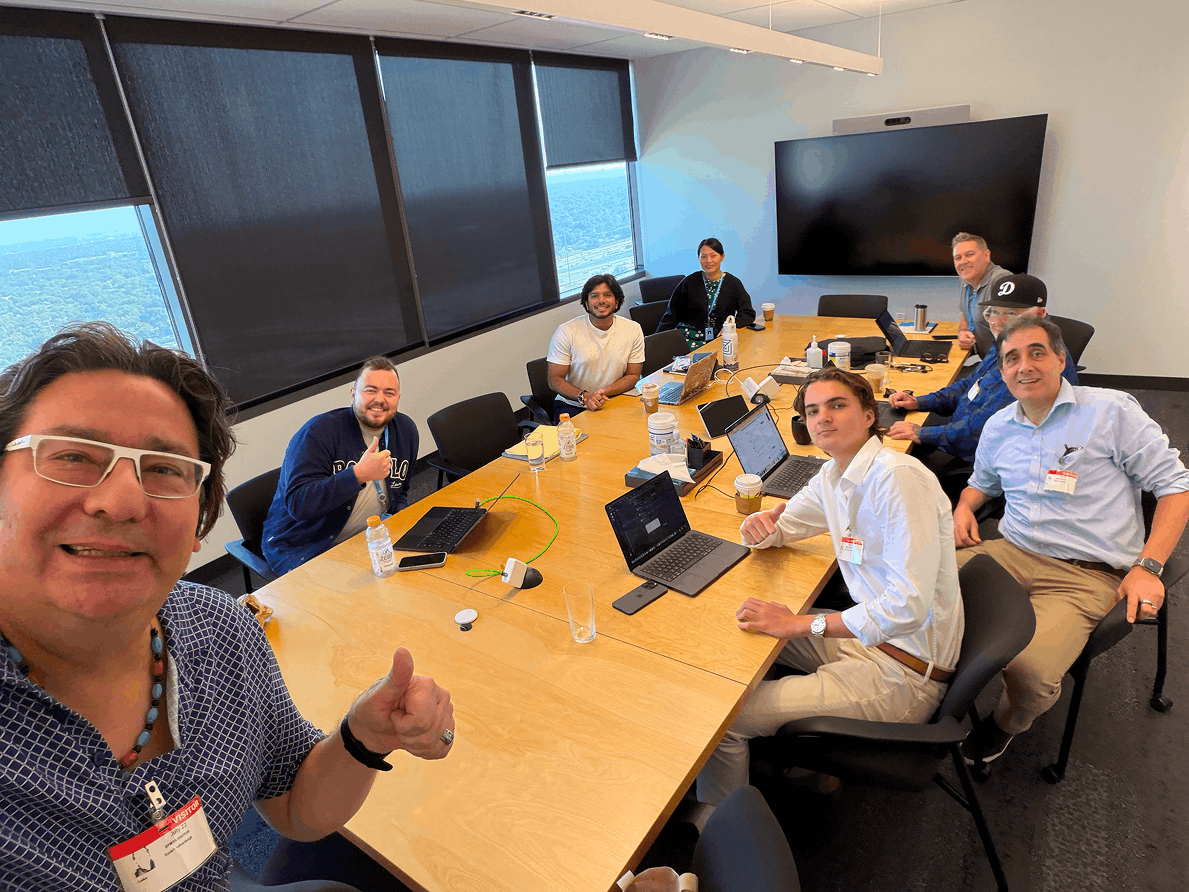
AllCode and Amazon Web Services (AWS) came together for an in-depth look at the future of AI-powered software engineering. Attendees discovered how autonomous "dark factories" were redefining the software development lifecycle through intelligent agents capable of planning, coding, testing, and deploying applications with minimal human intervention.
About the Event
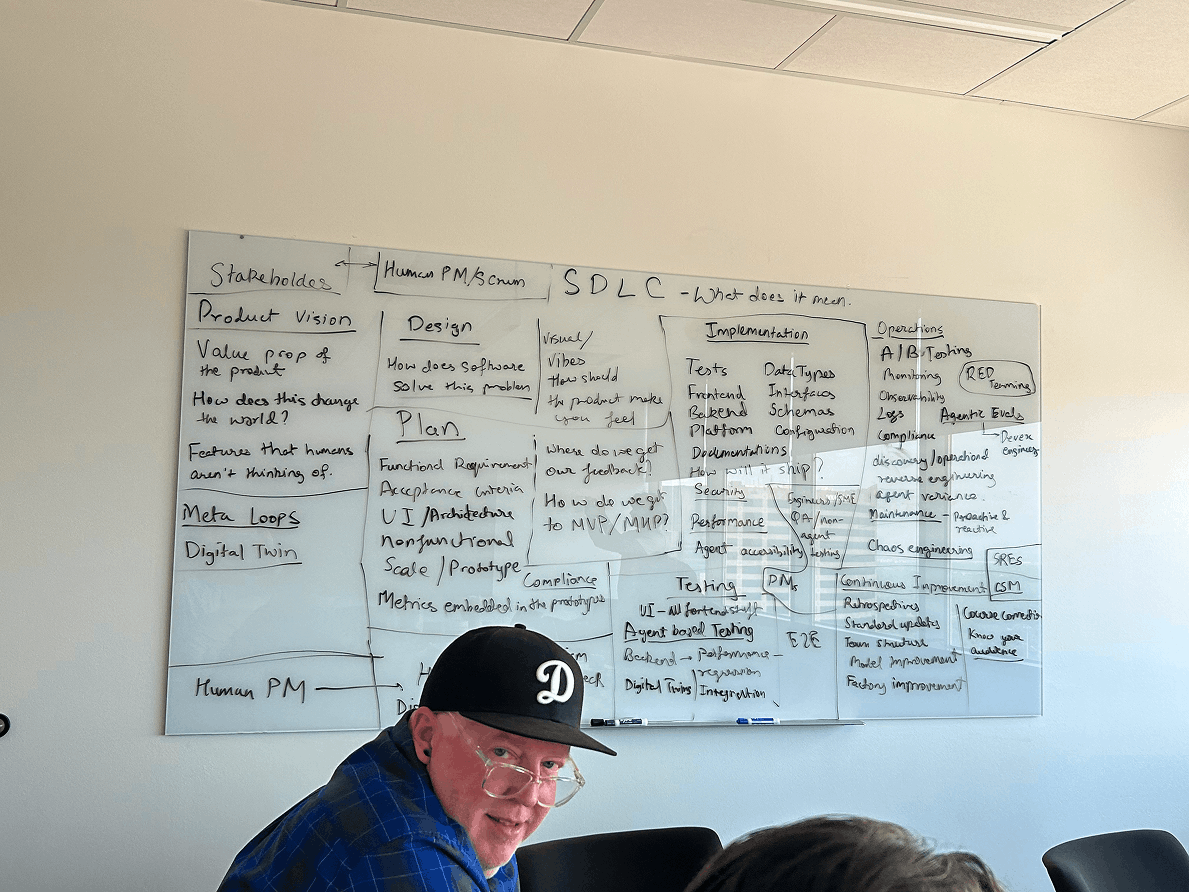
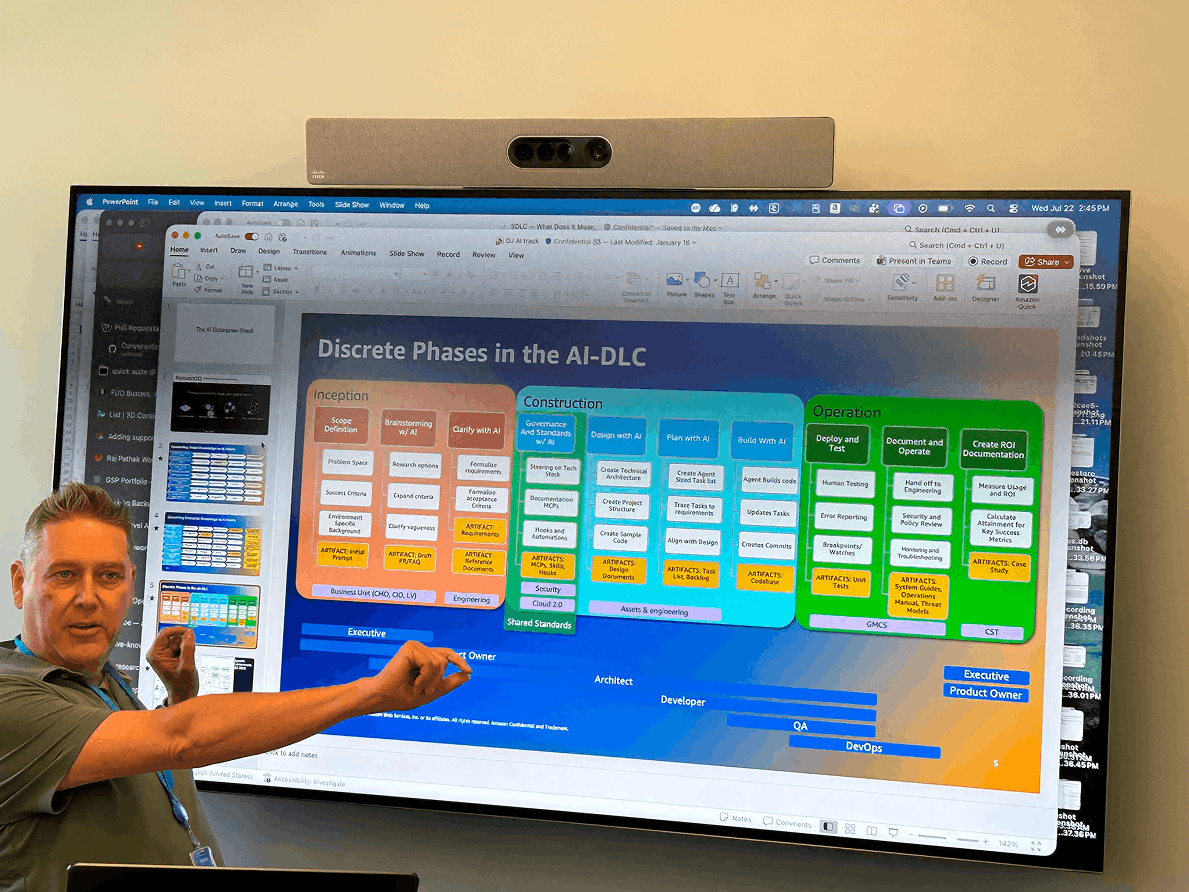
The session covered the Software Development Life Cycle as it applies to a Dark Factory, broken down into the following stages:
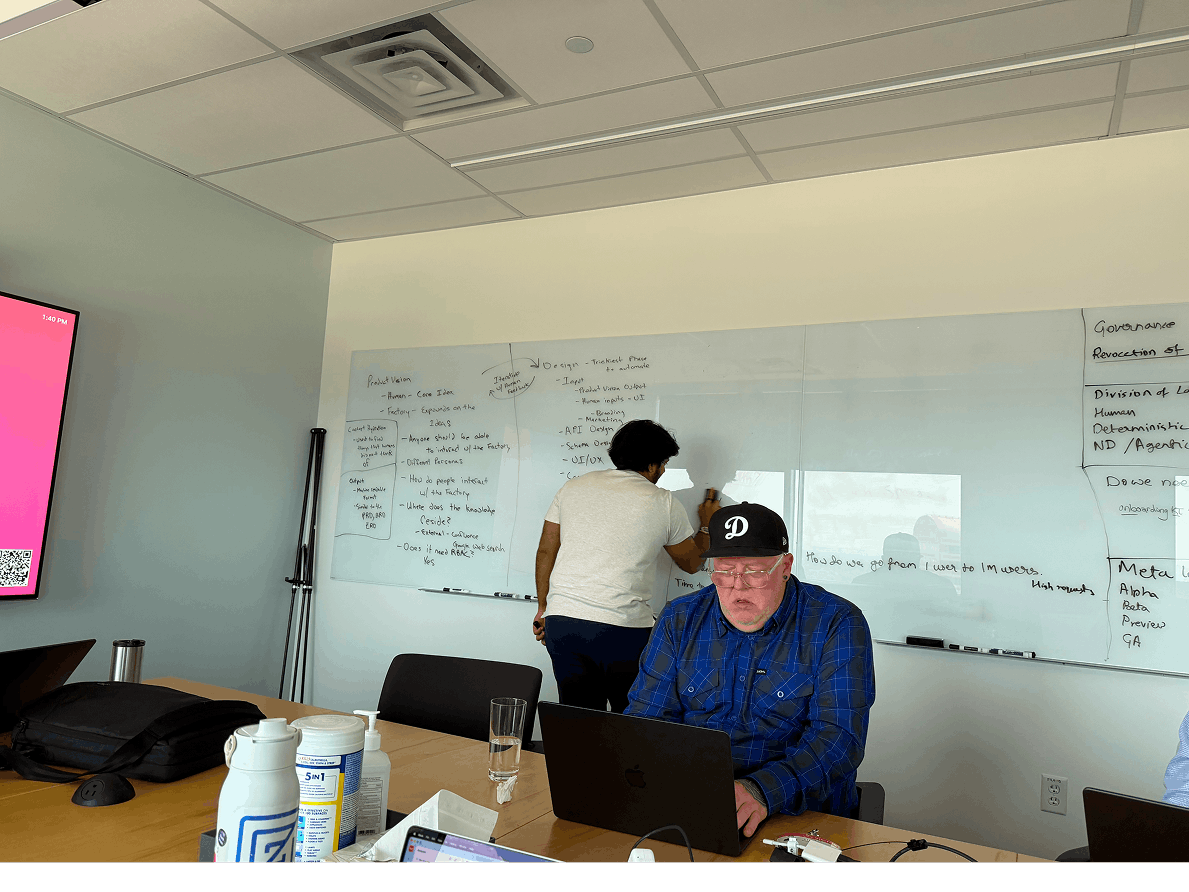
Product Vision — Human provides the core idea; the factory expounds on the idea. Different personas determine how people interact with the factory.
Design — Covers UI/UX, branding, marketing, API design, and schema design, and involves coming up with standards.
Plan — Formalizes the design, including system invariants, dependencies (use cases and non-functional requirements), and infrastructure/AWS.
Implementation — Involves model choice, writing code/tests/UI, running tests, deployment mechanisms, instrumentation for observability, digital twins, performance testing, shadow testing, CI/CD, agentic UI testing, automated reasoning, code review, security, and change management.
Operate — Covers monitoring, functional testing in production, customer feedback, business outcomes, feature flags for experimentation and A/B testing, and production freeze decisions.
Continual Improvement — Includes retrospectives, code refactoring, analytics, model improvement, and factory improvement.
A key topic was back pressure — the idea that agents start losing quality as soon as they stop interacting with humans, and the need for deterministic back pressure (code quality, code complexity, build time, code smells, unit test flakiness, performance, coding standards, license compliance) as well as non-deterministic back pressure (monitoring agents for spinning their wheels, spec correctness, long-term steering).
The discussion also addressed how to measure the success of a factory, using metrics such as cost per feature, time to feature, bug notice to bug fix (MTTR), and time to market.
Attendees learned about Gas Town, the open-source software factory platform created by Steve Yegge, and Gas City, the evolving ecosystem that enables engineers to orchestrate multi-agent development environments using configurable tools and workflows. Other tools and platforms discussed included AWS AgentCore, Kiro, and property-based testing approaches for generating tests directly from specs.
The session closed with a look at next steps for using the Autonomous Software Factory, including plans for a marketplace listing and follow-up sessions.