

a
Top 10 Cloud Providers

Twilio

AllCode delivered on Twilio’s Open Source Authy Helper Libraries for Go, PHP, Python, Java, and .NET.

Language Repos
.Net https://github.com/authy/authy.net
Go https://github.com/dcu/go-authy
PHP https://github.com/authy/authy-python
Python https://github.com/authy/authy-php
Java https://github.com/authy/authy-java

For each GitHub Repository, AllCode performed the following software development tasks:

  1. Merged the existing Pull Requests into the Master branch
  2. Added support for OneTouch Endpoints into the Master branch
  3. Created unit tests for OneTouch Endpoints in the Master Branch
  4. Created unit tests for all API Endpoints that currently do not have coverage in the Master branch

The AllCode software developers who performed these tasks all received security training on Security Design Patterns and were aware of the OWASP Top 10. These software developers also had experience in developing, deploying, and operating HIPAA-compliant environments.

AllCode has also implemented a number of VoIP and SMS solutions on Twilio for SameSky Health, Remitter, Let’s Play Soccer, and CloudContactAI.
 

Related Articles

Building an AI-Powered Communication Hub

Building an AI-Powered Communication Hub

Your customers reach out through SMS. Through email. Through WhatsApp. Through web chat.

Your team responds through… spreadsheets? Disconnected inboxes? Maybe a CRM that sort of ties things together?

Meanwhile, each channel has its own queue, its own response time, its own tribal knowledge about how to handle common questions. Customer context gets lost between channels. Response quality varies wildly depending on who’s working.

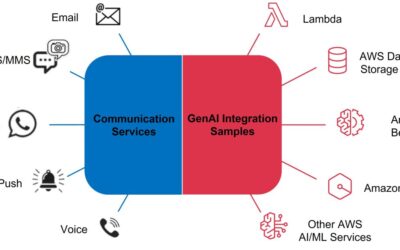
There’s a better way. Amazon Bedrock—combined with AWS End User Messaging and SES—enables enterprises to build unified communication hubs where AI handles routine inquiries across every channel, escalates complex issues to humans, and maintains full context throughout the customer journey.

Automating Email Triage with Generative AI

Automating Email Triage with Generative AI

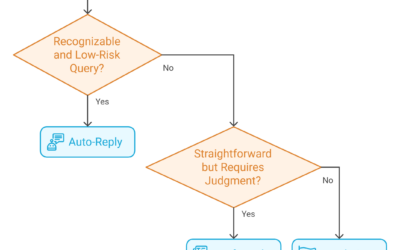
Your team processes hundreds—maybe thousands—of emails per day. Each one needs to be read, understood, categorized, and routed to the right person.

That’s a lot of human brainpower spent on triage.

What if AI could handle that categorization in seconds? What if urgent emails automatically escalated, routine inquiries queued for batch processing, and spam silently filtered—all without human intervention?