a

AWS

Amazon Web Services is a subsidiary of Amazon providing on-demand cloud computing platforms and APIs to individuals, companies, and governments. Allcode is a registered Partner and has a team of certified AWS engineers

Security and compliance
Building an AI-Powered Communication Hub

Building an AI-Powered Communication Hub

Your customers reach out through SMS. Through email. Through WhatsApp. Through web chat.

Your team responds through… spreadsheets? Disconnected inboxes? Maybe a CRM that sort of ties things together?

Meanwhile, each channel has its own queue, its own response time, its own tribal knowledge about how to handle common questions. Customer context gets lost between channels. Response quality varies wildly depending on who’s working.

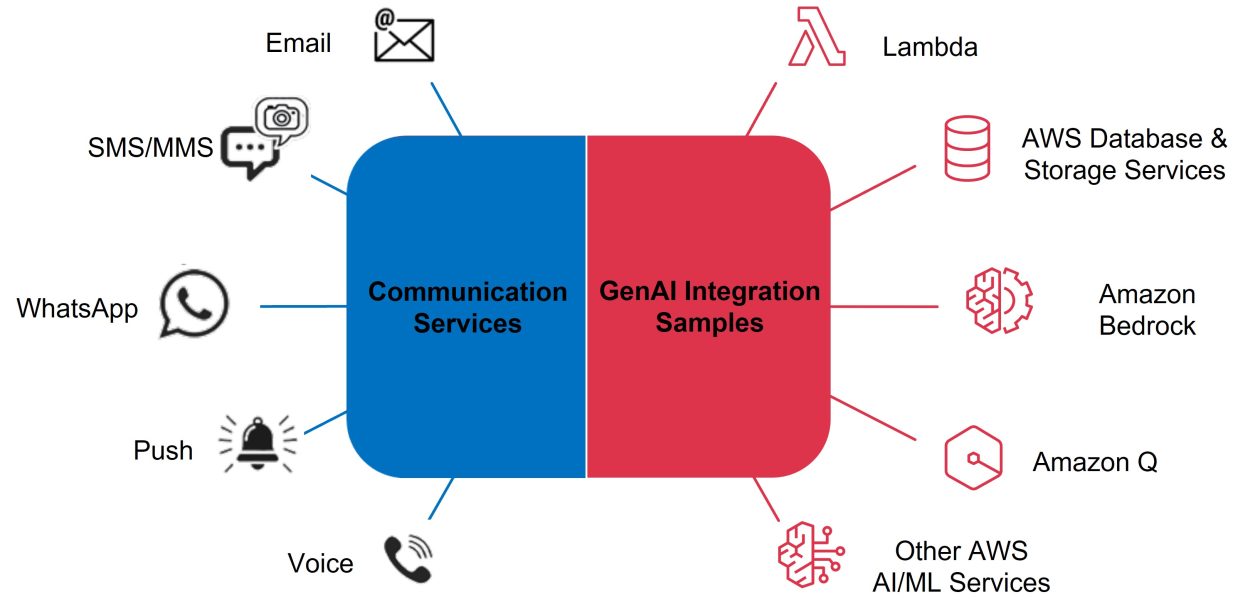
There’s a better way. Amazon Bedrock—combined with AWS End User Messaging and SES—enables enterprises to build unified communication hubs where AI handles routine inquiries across every channel, escalates complex issues to humans, and maintains full context throughout the customer journey.
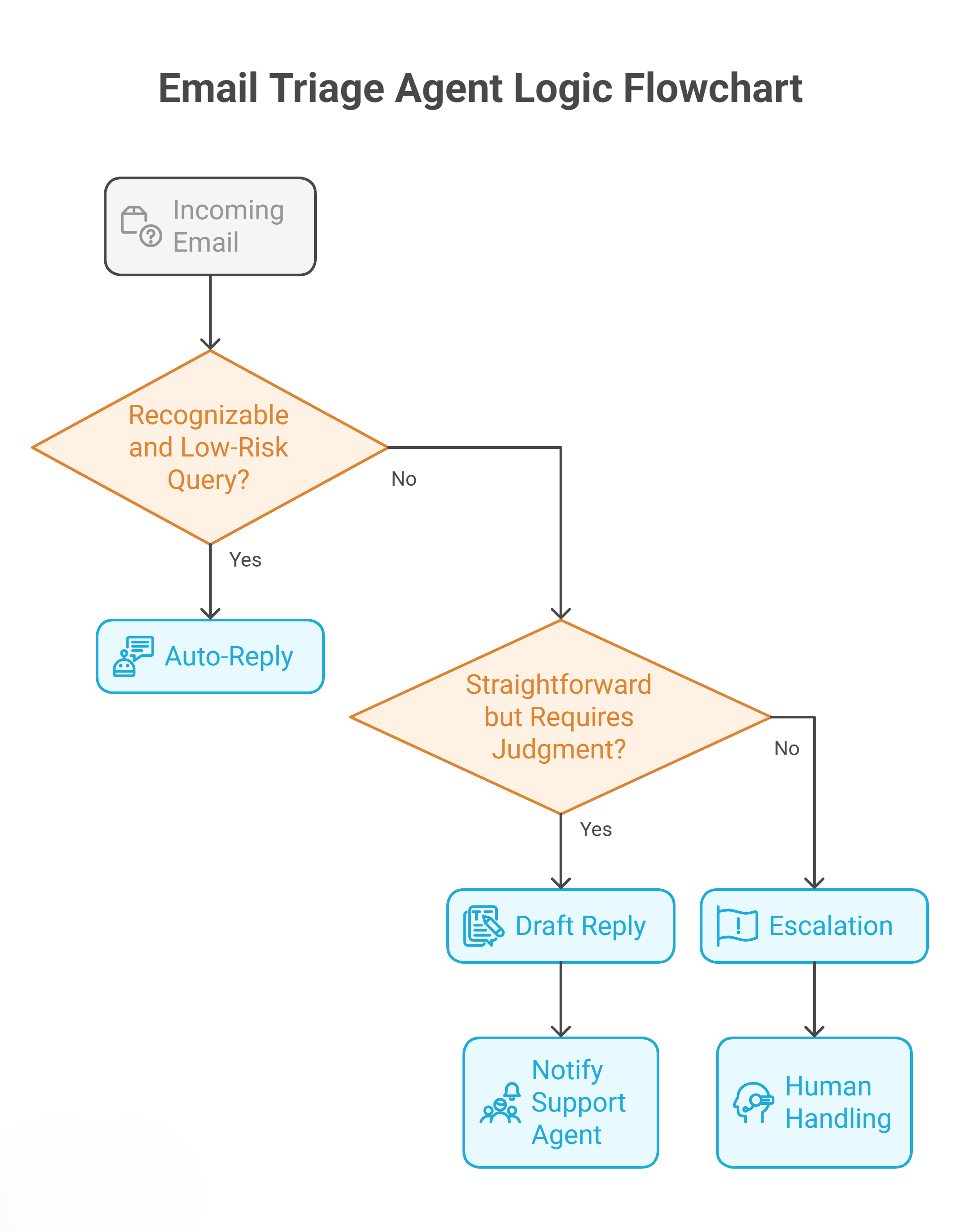

Automating Email Triage with Generative AI

Automating Email Triage with Generative AI

Your team processes hundreds—maybe thousands—of emails per day. Each one needs to be read, understood, categorized, and routed to the right person.

That’s a lot of human brainpower spent on triage.

What if AI could handle that categorization in seconds? What if urgent emails automatically escalated, routine inquiries queued for batch processing, and spam silently filtered—all without human intervention?

The Difference Between Amazon RDS and Aurora

The Difference Between Amazon RDS and Aurora

AWS does incorporate several database services that offer high performance and great functionality. However, customers do find the difference between Amazon Relational Database Service and Amazon Aurora. Both services do provide similar functions, but do cover their own use cases.

AWS Snowflake Data Warehouse Pricing Guide

AWS Snowflake Data Warehouse Pricing Guide

AWS Snowflake Data Warehouse – or just Snowflake – is a data cloud built for users to mobilize, centralize, and process large quantities of data. Regardless of how many sources are connected to Snowflake or the user’s preferred type of organized data used, data is easily stored and controllably shared with selectively-authorized access. Snowflake does offer extensive control over its pricing, though how it works isn’t always clear.

Guide to Cost Factors for Amazon’s RDS Pricing

Guide to Cost Factors for Amazon’s RDS Pricing

Amazon sports a complex pricing model. As simple as the pay-for-what-you-use model sounds, there are several nuances to every service from data used to computing components chosen that can easily let users blow through their entire budget. That’s not to say AWS is an inherently expensive platform and can be adapted to with proper planning and understanding of the contributing factors to billing.

Amazon Elastic Cloud Computing Pricing Guide

Amazon Elastic Cloud Computing Pricing Guide

Amazon Elastic Cloud Computing is the default option for computing on AWS. Outside of outsourced cloud computing options, it is the default service for building, running, and scaling AWS-based applications. As such, EC2 will likely be the main driving force behind AWS bills. Understanding how to control said costs is therefore the most important factor in managing your AWS environment.

Predictive Maintenance 2.0: Advancing AI-Driven Strategies with Generative Models for IoT Solutions

Predictive Maintenance 2.0: Advancing AI-Driven Strategies with Generative Models for IoT Solutions

This blog post delves into the advanced capabilities of generative models, showcasing how they optimize maintenance strategies in the dynamic landscape of Internet of Things (IoT) solutions. From enhancing anomaly detection to reducing unplanned downtime, discover how generative models revolutionize predictive maintenance, offering a glimpse into the future of asset management. Join us on this journey of innovation and efficiency as we unravel the potential of generative models in shaping the future of IoT-driven maintenance strategies.